Responsive & mobile-first design: why it matters for local search

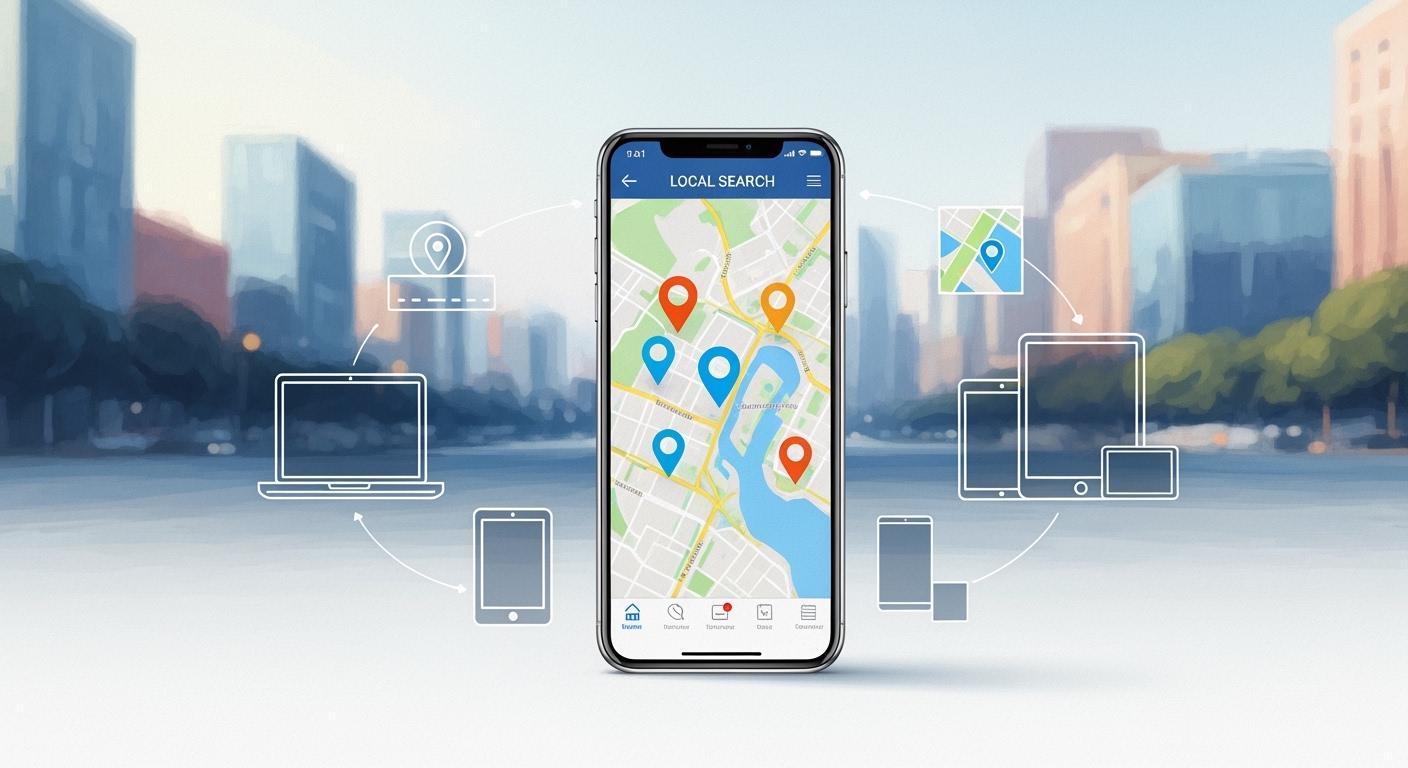
In today's online world, one cannot ignore how many people use mobile devices for local searches. Recent studies show that more than 60% of searches occur on mobile devices. This trend indicates that your website must function effectively for mobile users.
Responsive and mobile-first design significantly enhances the user experience. For instance, over half of all web traffic originates from mobile devices. When your website is user-friendly on mobile, you assist people in finding it more easily. This keeps users engaged and reduces bounce rates by up to 22%. Employing these design strategies is crucial for your success, particularly for a mobile website for a Manchester business.
Key Takeaways
More than 60% of searches are done on mobile devices. Make sure your website works well on phones to get more customers.
Mobile-first design focuses on important content for small screens. Begin with mobile to make the user experience better.
Quick loading times are very important. Try to make your site load in less than three seconds to keep users interested.
Google likes mobile-friendly sites in search results. Improve your website to be seen more in local searches.
Use responsive design to make your site look good on all devices. This helps bring in and keep visitors.
Mobile-First Design
Mobile-first design is about making websites for mobile users first. This means starting with small screens and then moving to bigger ones. By doing this, you make sure that important features and content are easy to find on mobile devices from the start.
Key Principles
The main ideas of mobile-first design are:
Principle | Description |
|---|---|
Content Priority | Important information is shown first to keep things clear and make key actions easy to see. |
Performance Optimization | Use light code and quick loading times to improve the experience for mobile users. |
Touch-Friendly UI | Design elements are made for touch, with bigger buttons and less typing needed. |
Responsive Scalability | The design changes smoothly for larger screens while still being easy to use on mobile. |
These ideas help you create a mobile website for a Manchester business that meets what users want and keeps them interested.
Structure and Content
Mobile-first design is very different from the old desktop-first way. Here are some key differences:
Mobile-first design begins with the smallest screen, usually a smartphone, and then goes to larger devices. This makes sure the mobile user experience is great from the start.
On the other hand, desktop-first design starts with a full desktop site and tries to make it smaller for mobile. This can make the mobile experience not as good.
By focusing on mobile first, you build a structure that shows important content and features, making it easy for users to navigate your site. This method matches how people use the internet today, as mobile devices make up more than 50% of web traffic. Quick load times and easy-to-read text are very important for keeping users engaged and lowering bounce rates.
Importance for Local Search
User Experience
Mobile-first design greatly improves user experience. When you make your website good for mobile devices, you help most users who use smartphones. More than half of all web traffic comes from mobile devices. This means your site must load fast and work well on these devices.
Think about this: 53% of mobile users leave sites that take longer than three seconds to load. This shows how important speed is to keep visitors. A mobile website for a Manchester business that loads quickly keeps users interested and makes them want to check out what you offer.
Also, features like easy navigation and touch-friendly designs make users happier. When users can find what they need easily, they are more likely to come back. For example, an online store that used mobile-first design saw a 30% rise in mobile sales. This shows how a good mobile experience can lead to more engagement and fewer users leaving the site.
Search Visibility
Mobile-first design is also very important for search visibility. Google favours mobile-friendly websites in its search results. This means if your site is not good for mobile, you might lose visibility in local searches.
Mobile-friendly design matches what Google looks for when ranking sites. It is important to have a website that works well on mobile. If your mobile site does not perform well, it can hurt your search rankings. So, making your site good for mobile search helps you be seen more, especially for businesses that depend on local customers.
Furthermore, mobile optimisation affects key ranking factors like bounce rate and page load time. A responsive website that fits different screen sizes encourages users to stay longer and engage more. Google rewards sites that provide better user experiences by improving their positions in search results.
Advantages for Manchester Businesses
Enhanced Visibility
For businesses in Manchester, having a website that works well on mobile can really help you be seen. Many people use their smartphones to look for local services. Making your site mobile-friendly helps you show up in search results. This is very important in a busy city like Manchester. Residents and visitors often use their phones to find shops, restaurants, and services nearby.
Look at these numbers:
Statistic | Value |
|---|---|
Percentage of web traffic from mobile devices | |
Users likely to return to mobile-optimised sites | 74% |
Users switching to competitors after poor mobile experience | 40% |
These numbers show how important a mobile website is for Manchester businesses. When your site is easy to use on a smartphone, you get more visitors. This can lead to more people coming to your store and buying online. Local SEO helps you reach customers who are looking for your services.
Improved Engagement
A mobile-first design not only helps you be seen but also keeps users interested. When your website loads fast and works smoothly, users are more likely to stay and look around. Research shows that a responsive website can increase conversion rates by up to 11%. This means that when you make your site mobile-friendly, you have a better chance of turning visitors into customers.
Also, features like easy navigation and clear buttons keep users engaged. When they can find what they need quickly, they are more likely to come back. In fact, 74% of users like mobile-optimised sites. This shows that a good mobile experience can lead to repeat visits and more loyalty.
Best Practices for Mobile Websites
Making a mobile website for a Manchester business needs careful thought and action. Here are some good design tips to improve your mobile presence:
Design Strategies
Responsive Web Design: Make sure your website fits well on different screen sizes. This gives users a steady experience on all devices.
Optimise Loading Times: Quick loading times are very important. Try to load your site in under three seconds to meet what users want. A slow site annoys users and makes them leave.
Mobile-Friendly Content: Use simple, clear text that is easy to read on small screens. Split content with headings and bullet points for better reading.
Thumb Navigation: Keep in mind that 75% of mobile actions are done with thumbs. Make buttons and links easy to tap without zooming in.
Clickable Phone Numbers: Ensure phone numbers can be clicked. This lets users call you directly without any trouble.
Location-Specific Keywords: Use keywords like "best builders in Manchester" to help with local search visibility. This helps connect with customers looking for services nearby.
Optimisation Tools
To improve your mobile website's performance, think about using these optimisation tools:
Image Optimisation: Use new formats like WebP to make file sizes smaller without losing quality.
Efficient CSS and JavaScript Delivery: Reduce and combine files to make loading faster.
Browser Caching: Use caching to save data that is accessed often, which speeds up load times for returning visitors.
Advanced Caching Configuration: Set up server-side caching to boost performance.
Database Cleanup: Regularly tidy up your database to ensure quick access to information.
By following these best practices, you can create a mobile website that meets user needs and improves your visibility in local searches.
Challenges and Misconceptions
Misunderstandings
Many small business owners have wrong ideas about mobile-first design. These wrong ideas can make it hard for them to build good mobile websites. Here are some common myths and what they really mean:
Myth | Explanation |
|---|---|
My customers don’t convert on mobile, so I don’t need to worry about mobile rankings | Mobile is very important when people research before buying. Half of online purchases use more than one device. |
I will need to change all my canonical URLs from desktop to mobile | Google’s mobile bot reads the canonical element, so no changes are needed. |
Mobile site speed will be all that’s important | Both mobile and desktop site speed matter for user experience and SEO. |
I’ll have to rethink my link building strategy | Google says that link ranking strategies stay the same. |
I’ll need to rewrite all my meta data | If you use responsive design, metadata should fit within Google’s limits for both versions. |
I’ll need to add lots of new schema and href lang stuff | No new schema is needed, but mobile sites should be marked up like desktop sites. |
Overcoming Hurdles
Using mobile-first design can have challenges. But you can get past these problems with the right plans. Here are some common challenges and how to solve them:
Need for Simplicity: Mobile screens are smaller, so focus on key elements to keep it tidy.
Effective Navigation: Easy navigation is very important because mobile devices have limited space.
Optimization of Images and Media: Big files can slow down loading times, which is very important for mobile users.
To solve these challenges, think about these solutions:
Conduct a Content Inventory: Find and prioritise key content for mobile.
Create Mobile Wireframes: Focus on layout and user journey for mobile first.
Optimize Images and Media: Make sure files load fast by compressing them.
By fixing these wrong ideas and challenges, you can create a mobile-first design that improves user experience and helps your local search visibility.
In conclusion, using responsive and mobile-first design is very important for local search success. This method improves user experience and helps you be seen in search results. To make your website better for mobile, think about these simple steps:
Make sure your website works well on mobile.
Use a responsive design that fits different screen sizes.
Ensure your site loads fast to stop users from leaving.
Also, keep your business information correct on all platforms. Take care of your Google Business Profile and create helpful content for your location. Regular updates and quick replies to reviews build trust with potential customers. By focusing on mobile optimisation, you can greatly improve your SEO performance and get more local visitors.
FAQ
What is mobile-first design?
Mobile-first design means making websites for mobile devices first. Then, you can change them for bigger screens. This way, important features and content are easy to find on smartphones.
Why is mobile optimisation important for local businesses?
Mobile optimisation helps users have a better experience. It also makes your site easier to find in search results and keeps users interested. Many customers look for local services on their phones. So, it is very important for businesses to focus on mobile users.
How can I check if my website is mobile-friendly?
You can use Google's Mobile-Friendly Test tool. Just enter your website URL. It will check how well your site works on mobile and give tips for improvement.
What are common mistakes in mobile design?
Common mistakes are slow loading times, hard navigation, and messy layouts. Make sure your site loads fast, is easy to navigate, and shows content clearly on small screens.
How often should I update my mobile website?
Regular updates are very important. Try to check your mobile site every few months. This helps keep it working well for users and improves search visibility.
